

Choosing the right fabrication process is not simply about deciding which machine is more advanced. Laser cutting and CNC routing operate differently, and each process can be better suited to particular materials, thicknesses, design details, and production requirements.
For manufacturers, interior designers, architects, signage companies, furniture businesses, and other customers planning customized fabrication, understanding the difference between Laser Cutting Services in Noida and CNC Routing Services in Noida can help avoid unsuitable material choices, unnecessary redesign, and additional production work.
Laser Job Services supports different laser cutting and CNC routing requirements, allowing the material, design, dimensions, and intended application to guide the choice of fabrication process.
What Is the Difference Between Laser Cutting and CNC Routing?
The fundamental difference is how the two technologies interact with the material.
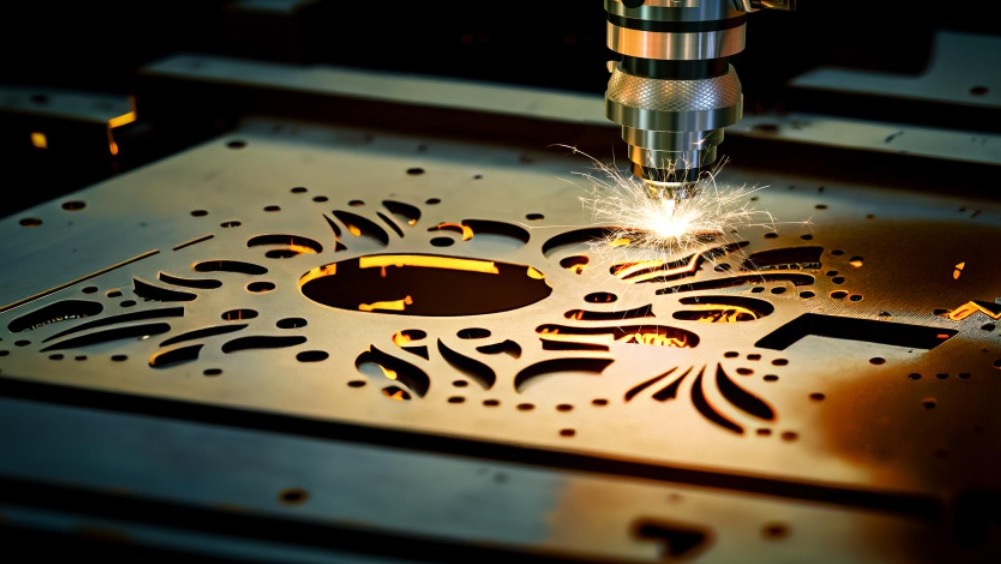
Laser cutting uses a focused laser beam that follows programmed cutting paths based on digital artwork. CNC routing uses a rotating cutting tool that physically removes material according to programmed tool paths.
This difference influences the types of details and machining operations each method can perform.
Where Laser Cutting Works Well
Laser Cutting Services in Noida can be considered when a project involves compatible materials and requires:
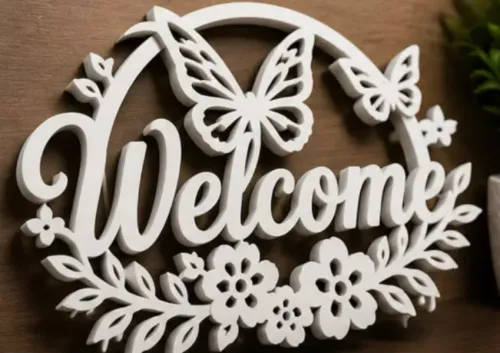
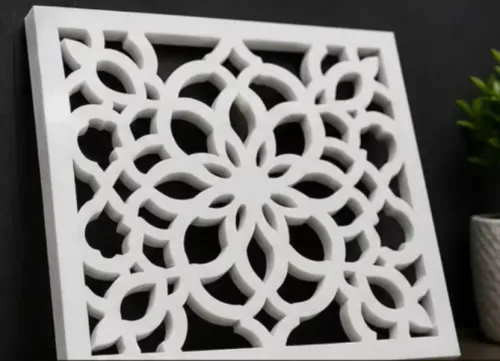
- Intricate patterns
- Detailed profiles
- Lettering
- Logos
- Fine internal cut-outs
- Decorative designs
- Repeated shapes
- Customized components
The technology is particularly useful when digital artwork contains detailed shapes that need to be translated into physical components.
Projects involving MDF decorative elements can also explore MDF Cutting Services for customized patterns, panels, jali designs, and related applications.
Where CNC Routing Works Well
CNC Routing Services in Noida can be useful for projects involving larger profiles, thicker suitable sheet materials, and machining operations that do not necessarily require cutting completely through the material.
Depending on the material, design, machine, and tooling, CNC routing may be used for:
- Profile cutting
- Grooving
- Pocketing
- Recess creation
- Panel shaping
- Drilling patterns
- Furniture components
- Decorative machining
These capabilities make CNC routing particularly relevant to many furniture, interior, display, and customized fabrication requirements.
Material Selection Should Come Before Process Selection
Material is one of the first factors to consider when choosing between laser cutting and CNC routing.
Not every material behaves in the same way during fabrication. Thickness, density, composition, surface coating, heat sensitivity, and final application can all influence the appropriate production method.
Instead of completing a design first and selecting the fabrication process afterwards, designers can often achieve a more practical outcome by evaluating the material and manufacturing method together.
For example, acrylic is widely used in signage and display applications. Projects requiring additional surface detailing can explore Acrylic Engraving Services from Laser Job Services.
Consider the Level of Design Detail
The complexity of the design can also influence process selection.
Fine decorative patterns may benefit from a process that can follow intricate cutting paths without requiring a physical routing tool to enter each narrow section.
Routing bits have physical diameters. Extremely tight internal corners or narrow features may therefore require modifications based on the selected tool.
CNC routing, however, provides additional possibilities when the design requires larger profiles, controlled-depth grooves, pockets, or recessed areas.
Why Edge Requirements Matter
The appearance and condition of the finished edge can influence which fabrication method is suitable.
Materials react differently to laser energy and mechanical cutting. Depending on the material and application, additional edge treatment or finishing may also be required after fabrication.
When an edge will remain visible in a finished sign, furniture component, decorative panel, or display, the expected appearance should be considered before production begins.
Depth Is an Important Difference
Not every fabrication requirement involves cutting completely through a sheet.
CNC Routing Services in Noida can perform controlled-depth machining operations such as grooves, channels, recesses, and pockets. These features can be useful for furniture joinery, decorative detailing, component fitting, hardware placement, and integrating other materials into a panel.
Laser cutting, by comparison, is frequently selected for detailed through-cut profiles and intricate shapes in compatible materials.
Understanding whether the design requires complete cutting or controlled-depth machining can quickly narrow down the appropriate process.
How to Choose the Right Fabrication Process
Before selecting a process, evaluate the actual requirements of the project rather than asking which technology is universally better.
Ask These Questions Before Production
Consider:
- What material will be used?
- What is the material thickness?
- How detailed are the shapes?
- Are grooves, pockets, or recesses required?
- How many components are needed?
- What edge appearance is expected?
- How will the component be mounted or assembled?
- What finishing processes will follow?
Answering these questions gives Laser Job Services clearer production information and makes it easier to determine which fabrication approach suits the project.
Some Custom Projects Can Use Both Processes
Complex projects do not necessarily have to depend on one fabrication technology.
A single project may contain multiple components with different requirements. Fine decorative parts may be suitable for Laser Cutting Services in Noida, while larger structural elements, grooves, recessed sections, or thicker components may be more appropriate for CNC routing.
Selecting the fabrication method component by component can sometimes be more practical than forcing every part of a project through the same production process.
Prototype Before Larger Production Runs
When a design is new, highly customized, or contains complicated details, producing a sample before beginning a large batch can be valuable.
A prototype may reveal issues related to:
- Dimensions
- Material behaviour
- Component fitting
- Pattern strength
- Assembly
- Visual appearance
- Finishing requirements
Changes made after reviewing a prototype can be easier to implement than corrections required after an entire batch has already been fabricated.
Choose Fabrication Based on the Project Requirements
Neither laser cutting nor CNC routing is automatically the better choice for every application. The appropriate method depends on how the design, material, thickness, detail, depth, quantity, assembly, and finishing requirements work together.
For customized projects, Laser Cutting Services in Noida can support detailed profiles and intricate cutting requirements, while CNC routing can provide additional flexibility for grooves, pockets, profiling, and controlled-depth machining.
Planning a custom fabrication project and unsure which process fits your design? Contact Laser Job Services today to discuss your Laser Cutting Services in Noida or CNC Routing Services in Noida requirements. Share your material, dimensions, thickness, artwork, quantity, and intended application to identify a suitable fabrication approach for your project.